Back to projects

Healthcare

Medical System (AGEL): Digitising patient care in hospitals

Medical System is a specialised healthcare tablet app designed for the AGEL hospital network. I designed the complete interaction design for it, letting nurses photograph and document wounds right at the patient's bedside, automatically feeding that data into the hospital's IKIS/PACS system.

Medical System

At a glance

Challenge

A heavy administrative burden, errors and inconsistent records. Remote wound consultations were complicated.

What I did

One-tap photo documentation, a connection to IKIS and PACS, a standardised form and automated pressure-ulcer risk assessment.

Result

Less time on paperwork, consistent records and easier remote consultation.

Client

AGEL

Role

UX/UI Designer — interaction design

Year

03/2020 – 07/2021

Medical System — preview

What changed

1 tap

from a wound photo to a documented record

IKIS + PACS

a direct connection, no re-typing

Starting point

Wound documentation happened by hand: a photo on one device, notes on paper, a manual re-entry into the system. Every step was a chance for an error, and records varied depending on who wrote them. Consulting a wound with a colleague remotely meant hunting down photos and notes scattered in different places.

How I approached it

I started at the bedside: how a nurse actually works, what they're holding, and how much time they have. I built the design from wireframes and validated it with staff, so it could be operated even in gloves and in a hurry.

Process

Key decisions

For each one: what the problem was, what I designed, and why.

01

Bedside photo straight to IKIS and PACS

The problem: A wound photo was taken on a different device and matched to the patient afterwards. Data was re-typed by hand into hospital systems.

Solution: The photo is captured directly in the app and automatically matched to the right patient and wound. The record and photo go straight into IKIS and PACS, with no re-typing.

Why: At the bedside, hands aren't free and neither is time. What doesn't get re-typed doesn't get mixed up — and staff get more time for the patient instead of admin work.
02

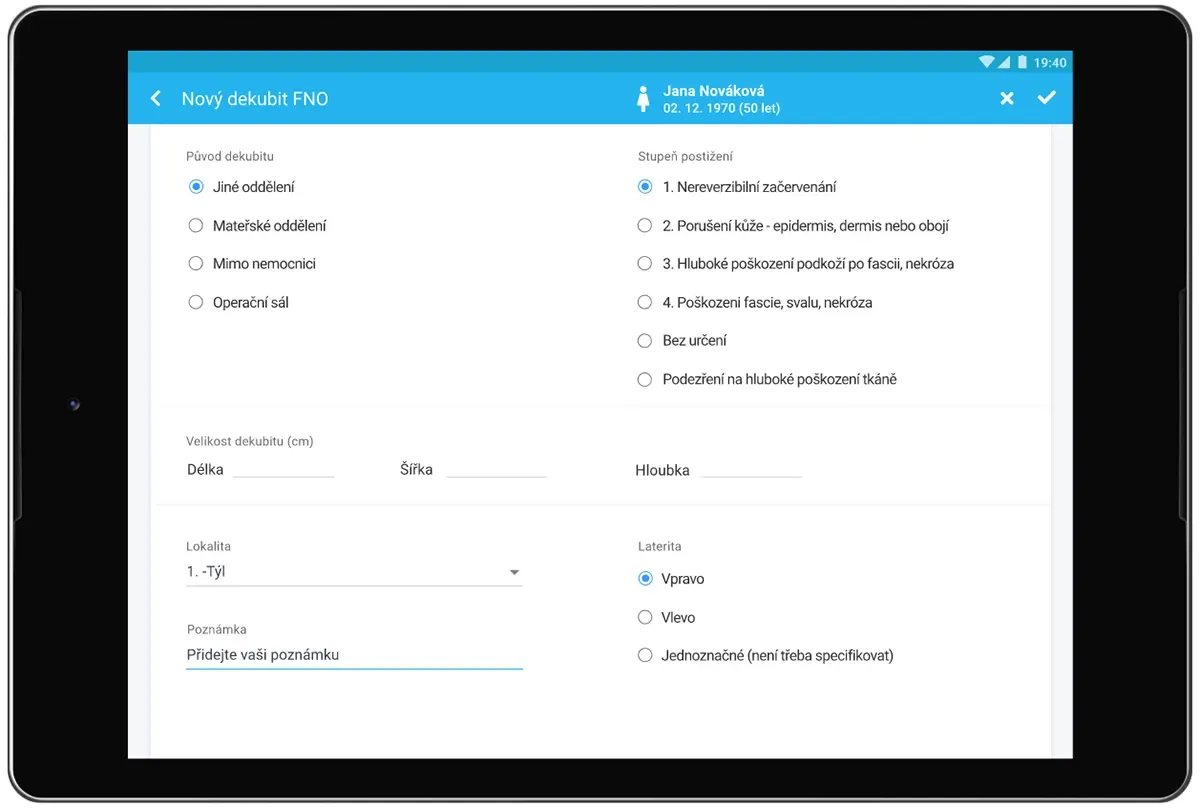
A standardised digital form

The problem: Everyone recorded things differently, and records couldn't be compared over time.

Solution: A single form with predefined options for wound type, size and condition.

Why: Only consistent records show whether a wound is healing. And they make remote consultation with a colleague possible.

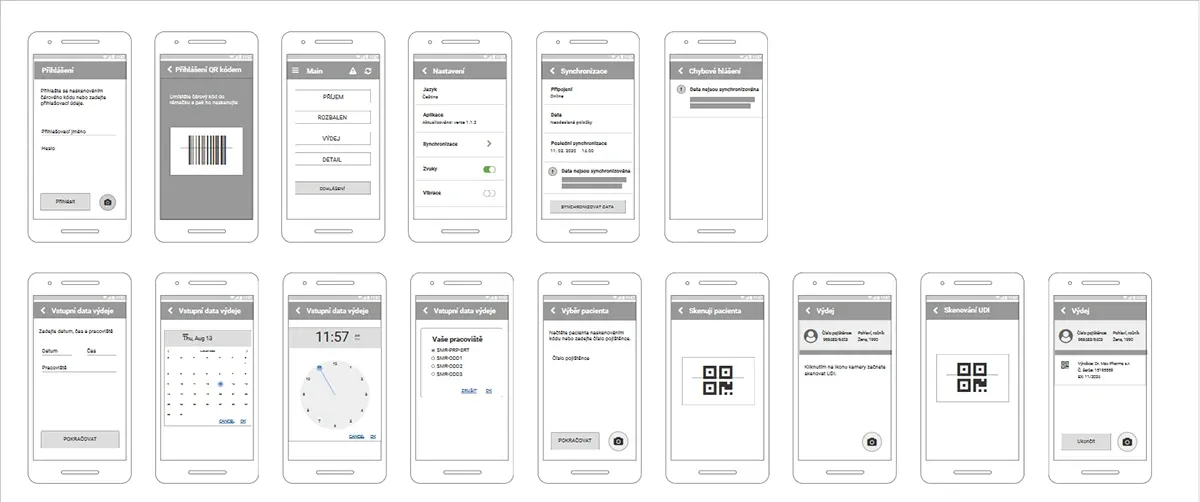
Wireframes of the Medical System app flow: login, dispensing, patient and UDI code scanning
03

Automated pressure-ulcer risk assessment

The problem: The risk of pressure ulcers was assessed by hand and irregularly.

Solution: The app assesses risk from the entered data and flags patients who need attention.

Why: Prevention is cheaper than treatment. The system should warn before a wound forms, not after.

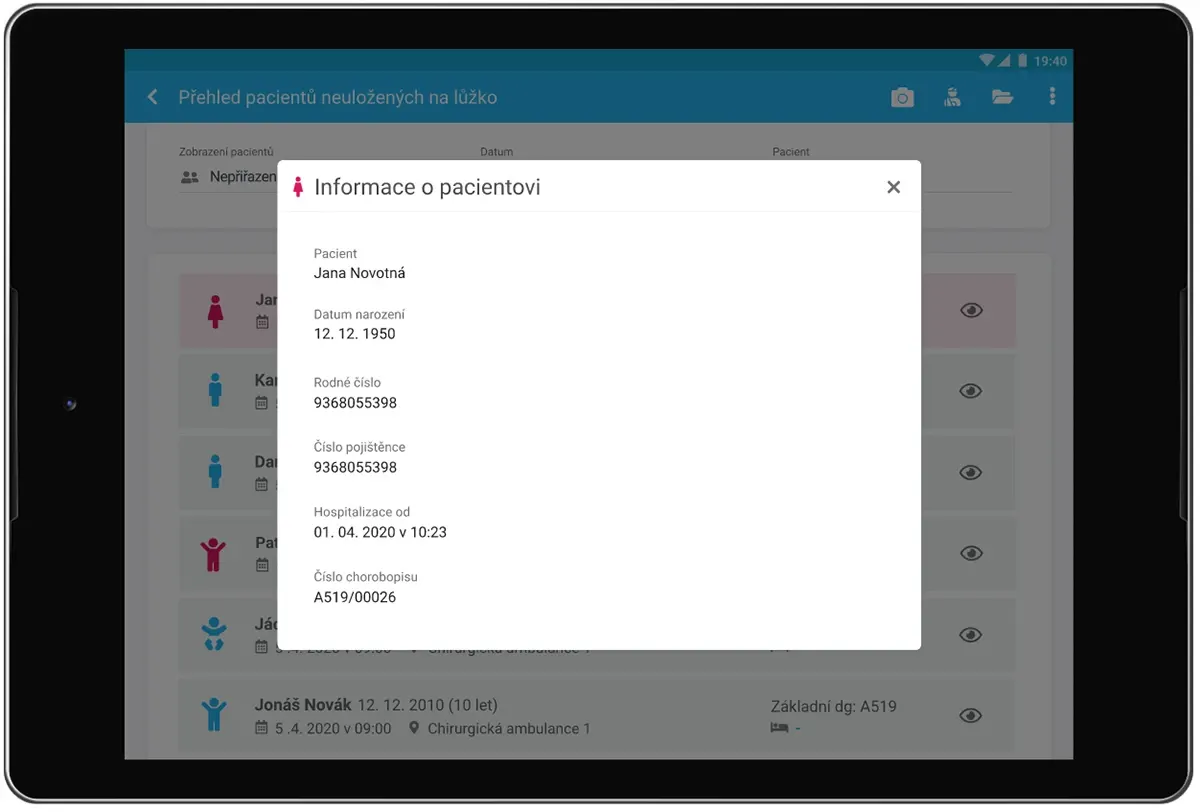
Medical System — screenshots

Results

Medical System is, for me, a great example of how thoughtful design can directly improve patient care and ease the workload for healthcare staff.

The app brought a major time saving — nurses spend less time at a computer and can focus more on actual patient care. Precise visual tracking of wound progress helps catch ineffective treatment early and adjust it quickly. Automated assessment also effectively helps prevent new pressure ulcers from forming.

Wireframes of the Medical System app flow: login, dispensing, patient and UDI code scanning
Wireframes · app flow

Related services

I also offer this as a standalone service

Let's talk about your project

Book a call

Email · nogolovakristyna@gmail.com